Fruits and Flowers Tea: A Designer’s Real-World Review
First Impressions: Sweet, Soft, and Seasonal
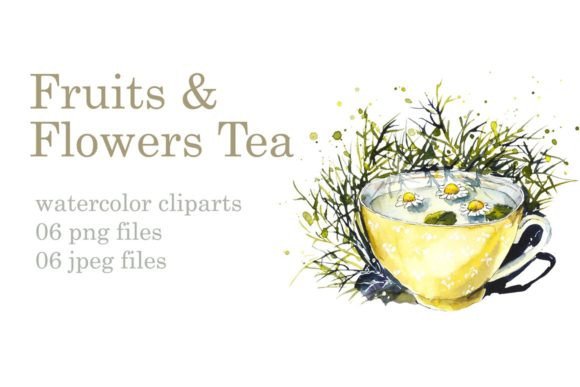
Opening the Fruits and Flowers Tea embroidery file, I immediately got a sense of warmth and charm. It’s a design that feels like a gentle afternoon—fresh fruits arranged alongside blooming florals, all wrapped in a loose, illustrative layout. The style leans more toward hand-drawn than digital, which makes it a great fit for small businesses, Etsy sellers, or crafters looking to add a touch of personality to their embroidered goods.
This isn’t a bold, in-your-face design. It’s more like a quiet nod to spring and summer—perfect for boutique-style tote bags, baby bibs, or kitchen linens. If you're aiming for a vintage or rustic aesthetic, this one could be a keeper.
Real-World Use: From Tote Bags to Sweatshirts
I tested Fruits and Flowers Tea on a few different fabrics and products to see how it would translate beyond the screen. On a medium-weight cotton tote bag, the design stitched cleanly with minimal puckering. The satin and fill stitches held up well, especially around the fruit outlines and floral centers. It looked polished and handmade—exactly what customers expect from a quality embroidered item.
When I moved to a sweatshirt, the thicker fabric helped mask any minor density issues. The floral elements maintained their shape without distortion, and the thread colors I chose (soft greens, warm peaches, and muted pinks) gave the design a fresh but not overly bright look. It felt intentional, not just decorative.
For baby items like burp cloths or onesies, this design reads as gentle and thoughtful—ideal for parents who want something personal without being too flashy. However, I’d recommend avoiding this on stretchy knit fabrics unless you’re confident in your stabilizer technique. The detail in the petals and fruit edges can get pulled or distorted if the fabric isn’t properly supported.
Where to Be Careful: Fabric and Fit Matter
One thing to note is that Fruits and Flowers Tea has some intricate elements—especially in the floral centers and leaf veins. These can get lost on textured or dark fabrics unless you’re using light thread colors or underlays. I tried it on a navy cotton canvas, and while the overall shape came through, the finer details were harder to read.
If you’re working with small hoop sizes, be cautious. This design has a natural flow that might not adapt well to tight cropping. You could lose some of the visual storytelling—like the soft curve of a fruit stem or the gentle arc of a vine—if you're forced to cut corners.
Also, avoid using it on curved surfaces like baseball caps unless you have experience adjusting for distortion. The design reads best when it’s flat and centered, not stretched over a curved panel where stitch density can vary.
Visual Appeal and Customer Perception
From a business perspective, Fruits and Flowers Tea has strong handmade appeal. It doesn’t scream “mass-produced,” which is a big plus for small shop owners or Etsy sellers. Customers tend to respond well to designs that feel unique and intentional, and this one fits that mold.
It’s also versatile enough to work across product types. I used it on a tea towel and a personalized apron, and both felt cohesive but distinct. The design added a touch of sophistication without being over the top—great for gift items or boutique merchandise where presentation matters.
That said, if you’re going for a modern or minimalist brand aesthetic, this might not be the best fit. Its illustrative style leans more toward the traditional or vintage side of the spectrum. If your brand is clean and contemporary, you might want to pass or consider using this in a limited, seasonal collection.
Design Notes for Embroidery Professionals
Here are a few practical takeaways I picked up while working with this machine embroidery design:
- Test on scrap fabric first—especially if you're using it on a new material or garment type.
- Check thread color contrast—the design benefits from soft, warm tones that highlight its illustrative nature.
- Review stitch density before stitching out—some areas may need slight adjustments for optimal coverage.
- Confirm hoop size compatibility—don’t assume it fits your standard hoop without checking the file.
- Inspect small details like leaf veins and petal outlines to ensure they’re stitching cleanly.
- Try black and white mockups—this helps you see the structure of the design without color distractions.
- Compare light and dark fabric backgrounds—this design performs differently depending on fabric color.
- Use proper stabilizer—especially on stretchy or thin fabrics where distortion is a risk.
- Verify licensing—make sure it’s cleared for both personal and commercial use if you plan to sell finished items or digital embroidery files.
Overall, Fruits and Flowers Tea is a solid choice for embroidery designers who want a soft, seasonal design that feels personal and handmade. It works best on structured, stable fabrics and in product categories where charm and warmth are key selling points.
If you’re crafting for a boutique, personalizing gifts, or building a small line of embroidered kitchen or nursery items, this design could easily become a go-to in your digital embroidery file collection.