Rainbow Dream Borders Clipart Adds Whimsical Flair to Blog Graphics and Editorial Design
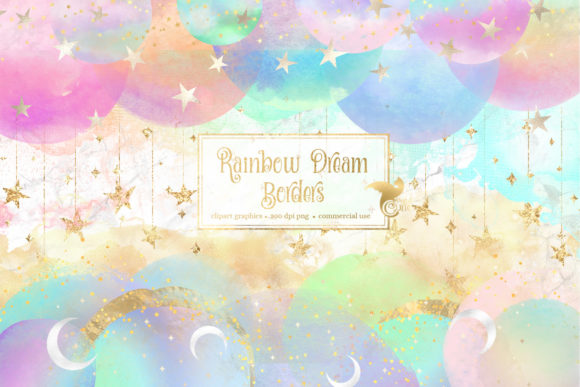
The first time I opened the Rainbow Dream Borders Clipart pack, I was struck by its vibrant, playful energy. As a blog designer and digital publisher, I’m always on the lookout for design assets that can elevate content without overpowering it. These borders definitely lean into a whimsical, feminine, and artistic aesthetic—perfect for lifestyle blogs, creative entrepreneurs, and content creators aiming to inject a sense of joy and visual warmth into their digital presence.
How Rainbow Dream Borders Enhance Visual Storytelling
What sets Rainbow Dream Borders Clipart apart is its editorial mood. It brings a soft, dreamy texture to visuals, making it ideal for niches like wellness, parenting, fashion, DIY, and creative education. The flowing lines and pastel tones feel both modern and nostalgic, giving blog graphics and downloadable printables a handcrafted charm that resonates emotionally with readers.
In real publishing workflows, this kind of illustration asset can do more than just decorate—it can help establish a consistent visual identity. Whether used in Pinterest pins, featured images, or newsletter headers, these borders frame content in a way that feels intentional and curated.
Let’s talk practicality. Here’s how I’ve used Rainbow Dream Borders Clipart across different content formats:
- Blog Featured Images: Perfect for wrapping around article thumbnails or as accents in Canva templates
- Pinterest Graphics: Adds a soft border that draws attention without competing with text
- Newsletter Banners: Works beautifully as a header divider or background frame
- Digital Guides and Lead Magnets: Helps elevate the visual quality of freebie downloads
- Social Media Visuals: Ideal for quote graphics, Instagram Stories, and Facebook post headers
- eBook Covers and Printables: Offers a decorative yet professional framing element
Each of these use cases benefits from the visual hierarchy and emotional tone that Rainbow Dream Borders bring. They make content feel more polished and clickable, especially in niches that value personality and creativity.
Boosting Content Performance with Visual Consistency
From a content marketing perspective, visual consistency is just as important as messaging clarity. Rainbow Dream Borders Clipart helps maintain that consistency across platforms. When readers see the same visual language across your blog, social media, and newsletters, it reinforces brand recognition.
This design asset also supports better reader trust. Clean, well-designed visuals signal professionalism—even in more casual or creative niches. The borders add a touch of sophistication without feeling overly formal, which is key for affiliate marketers, online educators, and small business owners who want to look approachable yet credible.
In my experience, these illustrations work best when used in:
- Hero Images: Adds a soft, inviting visual layer to landing pages
- Pinterest Pins: The flowing lines guide the eye toward key text elements
- Blog Graphics: Especially effective in editorial layouts that mix text and visuals
- Newsletter Headers: Gives email banners a boutique feel
- Content Upgrades: Makes downloadable resources feel more premium
- Social Media Previews: Creates a cohesive look across multiple platforms
These are the spaces where the design asset truly comes to life—enhancing the visual narrative without distracting from the message.
That said, Rainbow Dream Borders may not be the best fit for every situation. I’d recommend using them selectively in:
- Small Mobile Thumbnails: The detail can get lost at smaller sizes
- Text-Heavy Blog Images: May reduce readability if not spaced properly
- Low-Contrast Backgrounds: Could blend in instead of standing out
- Serious Professional Niches: May feel out of place in finance, legal, or corporate content
- Minimalist Websites: Could clash with ultra-clean visual systems
For best results, always test the clipart in context. Try placing it beside different font styles—like serif, sans serif, script, or display fonts—to see how it interacts with your brand typography.
Before dropping Rainbow Dream Borders Clipart into live content, here are a few practical checks I always run:
- Desktop and Mobile Preview: Make sure it scales well across devices
- Thumbnail Test: See how it looks at smaller sizes, especially for Pinterest or email
- Blog Layout Integration: Drop it into a real article layout to check balance and spacing
- Headline Readability: Overlay different headline styles to ensure contrast and clarity
- Black-and-White Check: Confirm it still works if viewed in grayscale
- Font Pairing: Test with your brand fonts to ensure visual harmony
- File Size Optimization: Compress the images for fast loading without sacrificing quality
- Commercial License Review: Always confirm the license before using in monetized content or digital products
These steps help ensure the design asset supports—not sabotages—your content goals.
Final Thoughts for Bloggers and Digital Publishers
Rainbow Dream Borders Clipart is more than just a decorative graphic design asset—it’s a tool for editorial storytelling and visual branding. Whether you’re crafting a lead magnet, designing a Canva template, or sprucing up your affiliate blog, this illustration set offers a versatile, emotionally resonant design element that helps your content stand out.
If you’re a creative entrepreneur, online educator, or small business owner looking to build a stronger visual identity, this is one design asset worth exploring. Just remember to use it thoughtfully, test it thoroughly, and pair it with clean, readable typography to let the content shine.