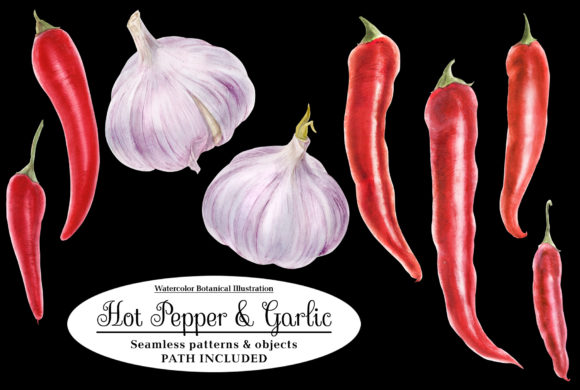
Red Hot Pepper and Garlic Illustrations: Bold Flavor for Visual Designs
First Impressions: A Spicy Splash of Style
When I first opened the Red Hot Pepper and Garlic illustrations, I was struck by the vibrant, almost tactile quality of the artwork. These aren’t your average flat clipart graphics — they’re richly detailed, with a hand-drawn charm that immediately adds warmth and personality to any design. The pepper has that fiery punch, while the garlic cloves bring a rustic, earthy contrast. Together, they evoke a sense of authenticity that’s hard to replicate with generic design assets.
Design Mood and Style: Organic, Handcrafted, and Inviting
From a designer’s perspective, this set leans heavily into the organic and artisanal aesthetic. It’s perfect for clients who want to convey a sense of natural ingredients, homegrown quality, or small-batch authenticity. The line work feels intentional, not rushed, and the textures suggest a printed or painted origin, even if they’re digital. If your client is a boutique spice brand, a farmer’s market vendor, or a seasonal food festival, these illustrations could be the visual anchor of their brand identity.
Real-World Use: From Packaging to Social Media
I recently worked with a local hot sauce startup looking to rebrand their line of artisanal sauces. The Red Hot Pepper and Garlic illustrations became a core part of the visual language. We used the pepper on the front label to highlight the product’s main ingredient, while the garlic illustration was subtly integrated into the back label as a supporting element. The result? A clean, cohesive look that felt handmade yet professional.
These illustrations also translate beautifully to social media graphics. I dropped the pepper into a Canva template for an Instagram post promoting a seasonal chili recipe contest. The bold visual immediately drew attention in the feed and reinforced the brand’s spicy personality. For Pinterest, we used the garlic illustration in a lifestyle pin, which helped the post feel more editorial and aspirational.
Where It Shines: Hero Graphics and Themed Collections
The Red Hot Pepper and Garlic illustrations are best used where visual storytelling matters. They make excellent hero graphics on landing pages, especially for food-related businesses or seasonal campaigns. They also work well in themed collections — think holiday recipe books, summer grilling kits, or wellness-focused product lines. In packaging design, they can be scaled up for a dramatic effect on boxes or tote bags, or used more subtly as decorative accents on tags or recipe cards.
Where to Use It Carefully: Minimalism and Detail Density
That said, these illustrations are not one-size-fits-all. In minimalist branding projects, they can feel overpowering if not balanced with plenty of white space and clean typography. Similarly, in complex layouts with multiple visual elements, they can get lost or compete with other design assets. I’d avoid using them in small-scale applications like business cards or digital icons, where their fine details may not render clearly.
Impact on Branding and Design Perception
Used thoughtfully, Red Hot Pepper and Garlic can elevate the professionalism of a design. They add emotional appeal and visual interest, which helps build brand trust and audience engagement. But like any design element, consistency is key. If you’re using these in a brand identity system, make sure they align with the rest of your visual assets — from color palette to typography. A mismatched font or clashing illustration style can undermine the cohesive look you’re aiming for.
Practical Designer Notes: What to Check Before Using
Before integrating Red Hot Pepper and Garlic into a client project, I always run a few practical tests:
- Test in black and white: Does the illustration still read clearly without color?
- Check contrast: How does it perform on both light and dark backgrounds?
- Preview at different sizes: Does it hold up on large banners and small stickers?
- Place on real mockups: See how it looks on packaging, t-shirts, or mugs before finalizing.
- Test print quality: Especially important if your client is using print-on-demand services.
- Review file formats: Make sure you have both PNG and SVG versions for flexibility.
- Inspect PNG transparency: Critical for overlaying on colored or textured backgrounds.
- Check SVG editability: Can you tweak the lines or colors if needed?
- Pair with fonts: Try it with serif, sans serif, script, and display fonts to see which combinations feel most cohesive.
- Confirm commercial licensing: Always double-check the license terms before using in a client or business project.
Final Thoughts: A Versatile Addition to Your Creative Toolkit
Overall, Red Hot Pepper and Garlic are more than just cute clipart — they’re functional, expressive design assets that can bring a project to life. Whether you’re designing for a food blog, a local market brand, or a seasonal Etsy shop, these illustrations offer a strong visual hook and a sense of authenticity that’s hard to fake. As with any creative design, the key is knowing when and how to use them to enhance, not overwhelm, your overall design direction.